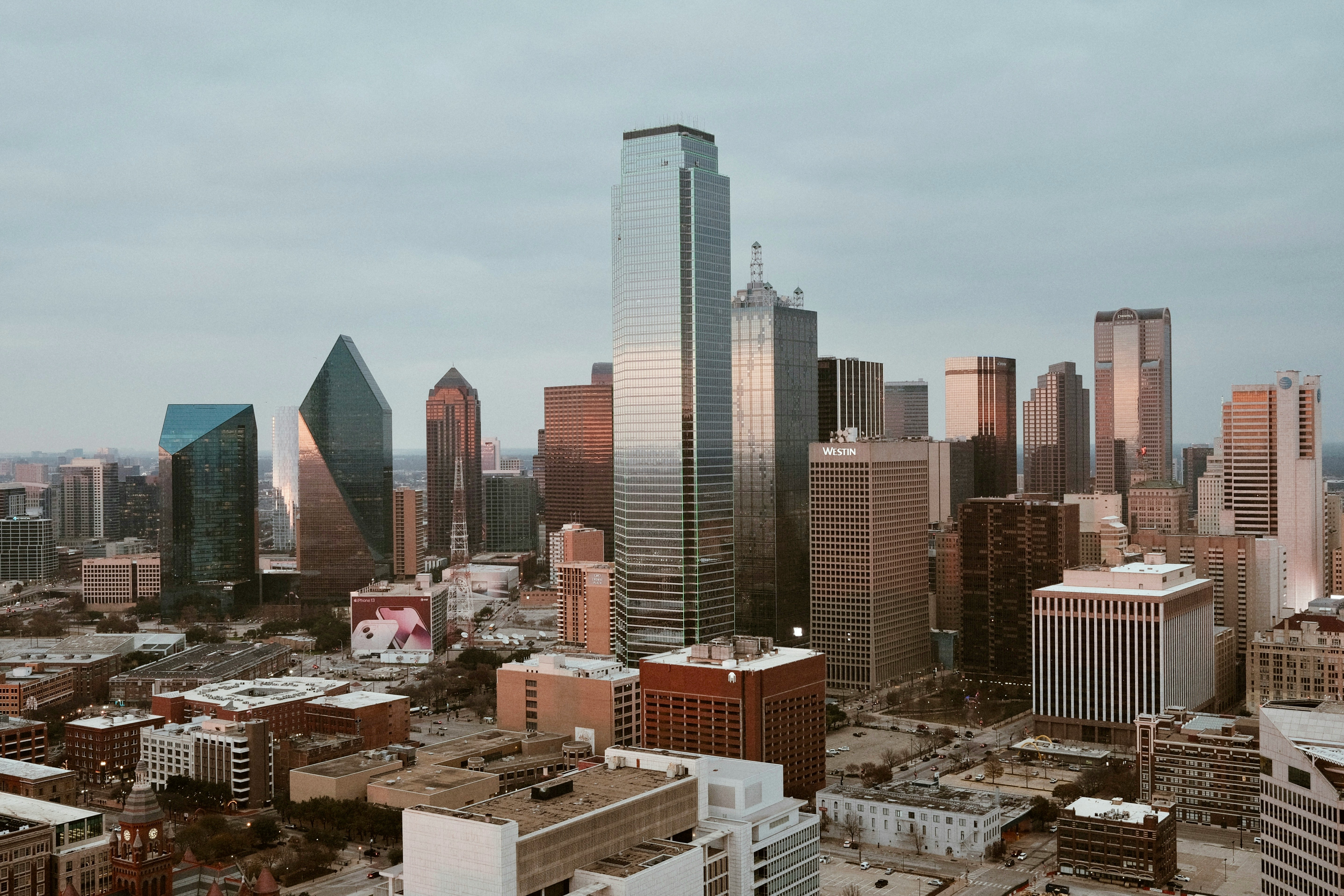
Finding the best apartments in the Dallas-Fort Worth area for social life is not just about picking a luxury building with a pool. In 2026, the real question is: will you actually meet people there?
DFW is full of beautiful high-rises, trendy mid-rises, and lifestyle communities, but social connection is harder to spot from a listing. Some buildings feel alive with resident events, shared spaces, and real friendships. Others look social on paper, but feel anonymous once you move in.
This guide breaks down where to live, what to look for, and how to verify whether an apartment community is truly connected before you sign.
Navigating DFW: Best Neighborhoods for Connection and Culture
Dallas-Fort Worth is sprawling, and social life depends heavily on choosing the right pocket of the metroplex. Two buildings may both advertise “luxury living,” but the surrounding neighborhood determines whether your weekends are full of spontaneous plans or long drives across town.
For young professionals looking for the most active social scenes, Dallas neighborhoods like Uptown, Lower Greenville, and Victory Park tend to lead the pack. These areas are dense, walkable, and full of built-in gathering places like coffee shops, happy hour patios, and fitness studios. That density matters because social interaction happens more naturally when people are constantly out and about.
Uptown in particular has become the classic “new to Dallas” landing spot. High-rise living, polished nightlife, and a steady flow of newcomers create a strong environment for meeting people quickly. Victory Park offers a similar vibe, especially for those who want modern luxury buildings near major entertainment hubs.
And across the broader DFW map, social lifestyle communities are not limited to downtown Dallas proper. Many residents also find strong connection in nearby hubs like Addison and Frisco, where newer luxury communities often blend walkability with shared amenity spaces. Buildings such as Dallas Urby in the urban core or communities like Addison Grove are examples of places where verified resident engagement platforms like Cobu are already being used to support real neighbor interaction.
On the Fort Worth side, the social energy feels a little different. Areas like West 7th and Magnolia Avenue offer a more laid-back, community-centric atmosphere. Instead of purely nightlife-driven interaction, these neighborhoods often feel more local and neighborly, with walkable streets, breweries, and smaller gathering spaces that encourage repeat connections.
One overlooked factor in DFW apartment social life is walkability. The more you can walk to dinner, coffee, parks, or events, the more likely you are to run into neighbors organically. In a car-heavy region, choosing a walkable neighborhood is one of the strongest predictors of building real community.
Vibe Check: Uptown Dallas vs. Deep Ellum
Both Uptown and Deep Ellum are famous for nightlife, but they create very different types of social living experiences. If you are deciding between them, it helps to understand the kind of “social life” you actually want.
Here is the clearest breakdown:
- Uptown Dallas
- Luxury high-rises with concierge-style living
- Happy hours, rooftop lounges, polished nightlife
- Strong “work hard, play hard” young professional demographic
- Social scene often revolves around networking, fitness, and upscale bars
- Noise level is a steady city buzz, not constant disruption - Deep Ellum
- Artsy lofts, creative spaces, and live music culture
- More diverse crowds and a grittier, authentic neighborhood feel
- Social life centers around concerts, local venues, late-night energy
- Noise can be intense due to music and weekend traffic
- Strong fit for creatives and people who want culture-first community
In short, Uptown tends to attract the corporate networker or newcomer who wants structured social access through luxury living. Deep Ellum appeals more to the creative socialite who wants energy, music, and a less curated vibe.
Neither is “better,” but they are different. Uptown is consistent and polished. Deep Ellum is louder, more eclectic, and more nightlife-driven. Knowing your personality matters as much as knowing the neighborhood.
Amenities That Actually Build Friendships (Beyond the Pool)
Luxury amenities are everywhere in Dallas-Fort Worth apartments. Pools, gyms, theaters, and golf simulators look impressive in photos. But not all amenities actually help you make friends.
The key difference is between passive amenities and active social spaces.
Passive amenities are spaces people use individually:
- Fitness centers
- Package rooms
- Private theaters
- Business centers with closed doors
They are convenient, but they do not spark conversation.
Active social spaces create what urban designers call “collision points,” where residents naturally interact:
- Communal lounges with open seating
- Shared kitchens and grilling areas
- Rooftop terraces with fire pits
- Game rooms designed for groups
In DFW luxury buildings, one of the most underrated friendship amenities is the dog park. It is the #1 organic icebreaker because residents show up daily, conversations start naturally, and relationships build over time.
Another major trend in 2026 is the rise of coworking spaces inside apartment buildings. But do apartments with coworking spaces in Dallas actually foster a social community for remote workers?
The answer: sometimes, but only when the space is programmed.
A coworking room that is silent, isolated, and purely functional will not build community. But coworking spaces that host:
- coffee mornings
- remote worker meetups
- casual networking events
can become one of the strongest tools for fighting remote work isolation.
The best “social apartments” in Dallas are not the ones with the fanciest amenities. They are the ones with spaces designed for interaction and events that bring residents together consistently. Communities like Dallas Urby and even newer suburban lifestyle hubs in places like The Colony (for example,Live Grandscape) show how shared spaces plus resident engagement tools can create real connection beyond just the amenity checklist.
Vetting the Vibe: How to Verify a Community Before Signing
To verify if an apartment’s advertised social atmosphere is actually real, you need proof of recent resident participation, not just marketing promises.
Every building claims to have a “vibrant community.” The challenge is spotting the difference between a genuine connected apartment and one that is either a ghost town or an uncontrolled party building.
First, understand the difference:
- A party building often has loud weekends, constant turnover, and social life that feels frat-like rather than community-based.
- A community-focused building has consistent resident engagement, structured events, and neighbor relationships that last beyond nightlife.
So how can you verify the vibe before signing a lease?
Start with the leasing tour, but ask questions that go deeper than scripted answers.
Questions to Ask a Leasing Agent
- What was the last resident event, specifically?
- How many residents attended the last event?
- Do you have photos or recaps from recent events?
- What is your resident retention or renewal rate?
- Do residents actually use shared spaces daily?
- Do you use a verified resident platform like Cobu?
A printed flyer of future events means nothing if no one shows up. Ask for evidence of past activity.
Another strong method is using tools like the Cobu Community Score.
The Cobu Community Score is a 0-100 score that reflects how actively residents participate in their apartment community, based on verified activity inside the Cobu platform.
Instead of relying on anonymous reviews or marketing claims, Cobu shows what is actually happening:
- real event participation
- real engagement between neighbors
- real community interaction
In 2026, the smartest renters treat apartment hunting like investigative work. Social connection is real value, and it is worth verifying before committing.
The Digital Living Room: Technology’s Role in Modern Neighboring
Modern Dallas high-rises are not just physical spaces, they are digital ecosystems. Resident technology now plays a major role in connecting neighbors, especially in buildings with hundreds of units.
In the past, you might meet neighbors in the hallway. Today, many residents work remotely, travel often, or spend time inside their own units. Without intentional tools, buildings can feel anonymous.
That is where resident engagement platforms come in.
A well-run resident app bridges the gap between digital introductions and real-world friendships by making it easier to:
- discover events
- join interest groups
- ask questions safely
- meet neighbors before showing up in person
Property managers increasingly prefer verified resident apps over public social media because they offer moderation, safety, and accountability.
Technology also helps introverts or newcomers break the ice. Instead of walking into a rooftop event alone, you can first connect digitally, join a smaller group, or see who else is attending.
And beyond just meeting neighbors, platforms like Cobu also help residents discover local hidden gems and events in Dallas through:
- community recommendations
- resident-led interest groups
- local perk partnerships
- neighborhood activity sharing
In 2026, the strongest apartment communities treat technology as the digital living room that supports real-life connection.
Safety and Quality: Cobu vs. Unofficial Social Groups
Unofficial Facebook Groups and Discord servers can seem like an easy way to meet neighbors, but are they reliable for large apartment complexes?
Often, they come with major risks:
- non-residents joining the group
- scams and spam posts
- unmoderated conflict
- privacy concerns
- misinformation about the property
That is why many property managers prefer verified resident platforms.
Cobu vs. Facebook Groups: Which is safer?
- Facebook Groups
- Public or semi-public
- Hard to verify who is actually a resident
- Limited moderation and accountability
- Conversations can become negative or chaotic - Cobu
- Verified residency
- Moderated community spaces
- Built specifically for neighbor connection
- Safer environment for events, messaging, and interest groups
Cobu allows residents to join building-specific groups like:
- Dallas Runners
- Fort Worth Foodies
- Dog Owners Meetup
- Remote Workers Lounge
The difference is trust. Cobu is designed for real neighbors, not the internet at large.
Is the 'Lifestyle' Premium Worth It?
Many renters wonder: is it worth paying higher rent for lifestyle apartments that offer curated events and engagement apps?
The honest answer depends on whether the lifestyle is real.
Higher rent can buy:
- built-in social networks
- curated resident programming
- easier friendships
- stronger mental well-being
Buildings with active resident engagement platforms like Cobu often correlate with:
- higher satisfaction
- stronger renewal rates
- lower resident turnover
That matters because loneliness has a cost. Many young professionals underestimate the “loneliness tax” of moving to a new city without community.
However, the premium is not worth it if:
- events are generic
- nobody attends
- the resident platform is inactive
- social life is purely nightlife noise
The ROI comes from real engagement, not amenities on a brochure.
If you value connection, paying for a socially active building can be one of the best quality-of-life investments you make in Dallas-Fort Worth.
Your Ultimate Checklist for Finding a Socially Connected Apartment
Choosing the best Dallas-Fort Worth apartments for social life in 2026 comes down to one thing: verifying real community.
Use this checklist on every tour:
Location Check
- Is the building in Uptown, Lower Greenville, Victory Park, West 7th, or Magnolia?
- Does the neighborhood match your social style?
Amenity Check
- Are there real collision points like lounges, coworking spaces, dog parks?
- Do shared spaces feel lived-in or staged?
Vetting Check
- Did you see photos or proof of past resident events?
- Can you verify engagement through the Cobu Community Score?
Tech Check
- Is there an official, verified resident app like Cobu?
- Are interest groups and events active?
Lease Conversation Check
- Does the leasing agent talk about specific resident communities?
- Can they describe real participation, not just promises?
Social life is not something you should leave to chance. The right apartment can shape your entire Dallas experience.
Explore Cobu today to see which Dallas-Fort Worth communities have the resident engagement fit you are seeking before you sign your next lease.